Takeaways: art fairs.
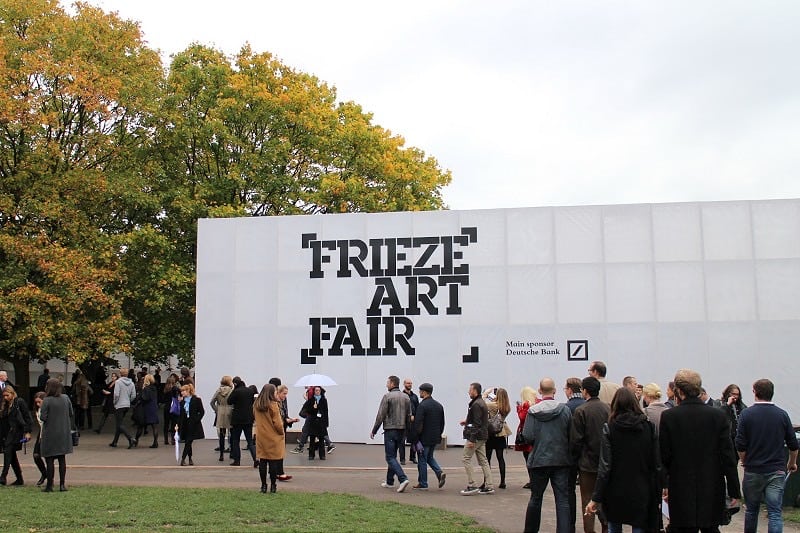
What Is an Art Fair?
Contemporary Art Fairs give the impression of new, cool and inclusive. In fact, art fairs have been around for longer than you think. Rudolph Zwirner (David Zwirner's father) essentially established the modern art fair model in 1968. Art Basel was founded shortly after in 1970.
These venues function as marketplaces where attendance requires payment to access otherwise unavailable work. Art fairs serve to connect artists, galleries and their dealers with a wider audience, with accessibility across global locations and collector experience levels.
Drawbacks
Fair organizers face competing pressures: they often must unify not just galleries into a single space and time frame but grassroots organizations, institutions, marginalized voices and the blue-chippers in the scene.
Key challenges include high financial barriers for smaller galleries, pressure to serve as changemakers, tastemakers and caretakers all at the same time, exploration of new curatorial trends while maintaining financial viability, funding dependencies on brand partnerships and events, and market exclusion of emerging-artist-supporting galleries.
Positives
Despite commercialization, art enters cultural discourse reflecting contemporary society. The foundational mission of connecting artists with broader audiences persists. Ecosystem dynamics between mega-galleries and emerging artists remain symbiotic. Satellite art fairs have emerged to provide additional access and support for local and emerging artists.
The Takeaway
More entry-level fairs without excessive commercialization would be welcome. Hybrid models incorporating online access, greater balance between marketable art and deeper interconnectivity and diversification in form and context. Artists have the ability to be multifarious.
Saw Something You Liked?
Get in touch to learn more about a medium, artist, artwork or gallery.
Connect